How to Shop for Low-Impact Parenting Essentials

By Tariq Salim, Ethical Practices Correspondent | Ethics & Impacy Column | Childcare Standards Council
Raising a child is a joyful, demanding, and deeply responsible journey. For modern parents, this responsibility increasingly extends beyond the well being of their child to the well being of the planet.
As awareness grows about the environmental and ethical impact of everyday products, so too does the desire to parent with care and conscience.
But where do you begin? How can a parent navigate the dizzying world of “eco friendly,” “non toxic,” “sustainable,” and “ethically sourced” labels to find what truly matters?
In this guide, we investigate how to shop for low impact parenting essentials, those everyday items that support your child’s growth without costing the Earth.

Understanding “Low Impact” in 2025
In 2025, a low impact product is one that has been produced, used, and disposed of in a way that minimises harm to the environment, supports ethical labour practices, and prioritises long term well being over convenience. This goes beyond “green” marketing, it involves real scrutiny of the product lifecycle.
From carbon emissions to microplastic pollution, from fair wages to chemical exposure, every parenting essential has an unseen footprint. Low impact parenting is not about perfection, it’s about making more informed, thoughtful decisions.
1. Start with the Essentials: Needs vs. Wants
The most sustainable product is often the one you don’t buy. Marketing pressures can make us believe we need the latest in techy bassinets, multiple changing stations, or five kinds of baby wipes.
In truth, babies require very little beyond comfort, hygiene, love, and nourishment.
Take a minimalist inventory:
Clothing: Choose versatile layers and opt for second hand or organic cotton when possible.
Nappies: Decide whether cloth or eco disposable works best for your lifestyle (more on this below).
Feeding: BPA free bottles and reusable utensils beat single use plastics every time.
Sleeping gear: Safety first, certified materials and breathable fabrics matter more than aesthetics.
2. Choose Durable Over Disposable
The disposable culture surrounding childcare is one of the biggest contributors to household waste. A 2023 study from WRAP UK estimated that disposable nappies alone account for 3 billion items in UK landfills each year.
Low impact alternatives:
Cloth nappies: Modern designs make them far easier to use than many assume, and they can be reused for years.
Washable wipes: Bamboo or cotton wipes are gentler on skin and the planet.
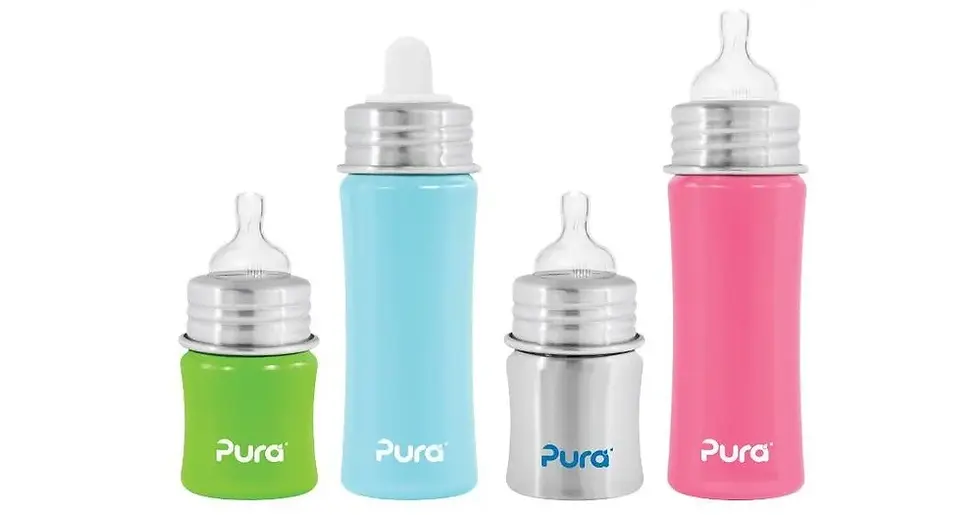
Sturdy feeding gear: Silicone bibs, stainless steel bottles, and glass baby food jars last longer and don’t leach microplastics.
3. Investigate the Materials
Don’t be swayed by vague labels. “Non toxic” and “eco friendly” are often unregulated terms.
Look for specifics:
Organic certification (e.g. GOTS) for textiles.
BPA/BPS free plastics or, better yet, no plastic at all.
Natural rubber teething toys rather than petroleum derived synthetics.
Wooden toys made with non toxic finishes and FSC certified wood.
A transparent label or brand website should clearly outline sourcing, safety, and sustainability standards.
4. Support Ethical Brands & Makers
Ethical impact includes the human side: were the people who made the product paid a fair wage? Were their working conditions safe?
Look for companies that:
Share detailed supply chain information.
Use Fairtrade, WFTO, or B Corp certification.
Are based locally or have traceable overseas partners.
Invest in community programs or reinvest profits into social good.
In 2025, many small brands are leading the charge, especially those founded by parents themselves, aiming to do things differently.
5. Buy Second Hand & Join Sharing Communities
There’s no shame in using preloved gear. In fact, it’s one of the most impactful ways to lower your parenting footprint. Online marketplaces, local Facebook groups, and swap events are treasure troves for:
Cots, prams, carriers
Clothing bundles
Toys and books
Just ensure safety standards are met (e.g. no expired car seats, mattresses with wear, or missing parts in gear).
6. Think Long Term Use & Lifecycle
When buying new, think about a product’s entire lifespan:
Can it grow with your child (e.g. adjustable high chairs)?
Can it be repaired or passed on?
Is there a take back or recycling programme from the brand?
Brands like Stokke, PlanToys, and Kit & Kin have launched product stewardship models, encouraging circular use and responsible disposal.
7. Beware of Greenwashing
Many brands have caught on to the trend but haven’t changed their practices. This is called greenwashing, marketing something as eco friendly without meaningful backing.
Red flags include:
Overuse of buzzwords without certification.
Products that are low impact in one area but high impact in another (e.g. organic cotton wrapped in plastic).
Lack of transparency or customer service evasiveness.
Stay sceptical, ask questions, and share your findings in parenting communities.
8. Balance Is Key
Ethical and sustainable choices often come with higher upfront costs. Not every family can afford organic linen swaddles or bamboo tableware, and that’s okay. Low impact parenting is not about guilt. It's about progress, not perfection.
When possible:
Pick your priorities (e.g. nappy choice, food storage).
Buy less, but buy better.
Offset where you can (e.g. via carbon neutral delivery or tree planting schemes).
Even small changes, when made consistently across thousands of families, can shift industry norms.
Final Thoughts
Parenting with a conscience in 2025 isn’t about chasing an ideal, it’s about tuning in to your values and making practical, loving choices that reflect them.
In a world filled with noise, choosing low impact essentials is a quiet but powerful way to care, for your child, for others, and for the planet they’ll grow up in.
Let’s raise the next generation with sustainability in hand and ethics in heart.



Comments