Simple Household Systems That Help With Kids

By Cassie Monroe, Lifestyle & Routine Editor | Daily Life Column | Childcare Standards Council
Let’s face it, life with children can get wonderfully messy. Between school runs, packed lunches, laundry mountains, and the never ending trail of tiny socks, managing a household can feel like a full time job. But here’s the good news: you don’t need to run your home like a military camp to bring more calm into your day.
In 2025, more families across the UK are embracing simple household systems that support smoother days with less shouting and more smiling.
Think of these systems like little behind the scenes routines; they help your home run in the background so you can focus on what really matters: enjoying time with your children (and occasionally drinking a cup of tea while it’s still hot).
Let’s explore the systems making a big difference for families and how you can set them up in a way that feels doable, not daunting.
1. The “Launch Pad” System
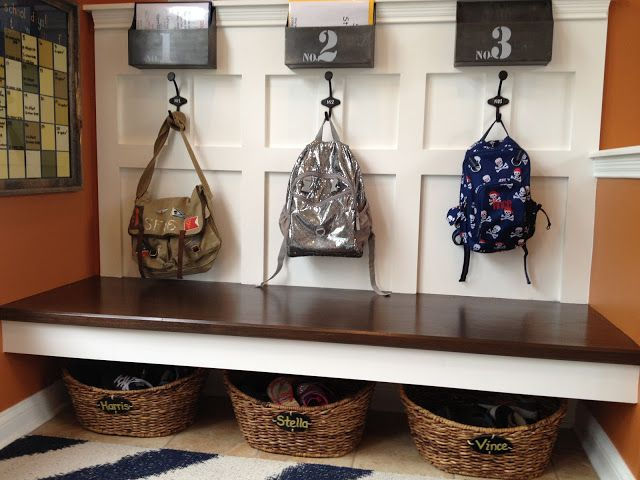
Ever lost a school shoe five minutes before leaving the house? You’re not alone. The Launch Pad is a designated space near your front door where everything needed for the day lives: bags, coats, shoes, water bottles, book bags, lunch boxes, the lot.
Each child gets their own basket or hook, and the idea is simple: before bed, you set it all up for the next day. No morning panics, no missing wellies, and no digging through the laundry for a clean PE kit.
Add a small whiteboard or clipboard nearby with reminders like “Library Book, Tuesday” or “Pack Sun Hat”.
2. The Meal Planning Magic
Mealtimes can become chaotic without a plan, especially when everyone’s hungry and you’ve no clue what’s for dinner. A weekly meal planning system saves time, reduces food waste, and stops those 5pm “What are we eating?” meltdowns (yours or the kids’).
Choose one day to plan and shop; many families do this on Sundays. Then, write the meals somewhere visible, like a chalkboard in the kitchen or a shared family app.
Stick to simple themes if you need structure, e.g.:
Meat Free Monday
Traybake Tuesday
Pasta Wednesday
Try Something New Thursday
Fakeaway Friday
Involving the kids in picking meals gives them ownership and increases the odds they’ll eat what’s served!
3. The Toy Rotation Routine
If your living room looks like a toy explosion most days, it might be time for a toy rotation system. The idea is simple: instead of having every toy out all the time, store some away and rotate them weekly or fortnightly.
This reduces clutter, helps children play more creatively with fewer toys, and keeps things feeling fresh.
Store toys in labelled boxes by theme (e.g., puzzles, building, role play) and keep only 2 to 3 categories out at a time. You’ll be amazed how quickly children rediscover their “old favourites” when they haven’t seen them in a while.
4. The “15 Minute Reset” System
No one wants to spend their whole evening cleaning. That’s where the 15 minute reset comes in, a short family clean up burst at key times of day (morning, post dinner, or before bed).
Set a timer, pop on a playlist, and tackle jobs together. Kids can:
Put toys back in baskets
Wipe the table
Match socks
Feed the pet
Sort the recycling
Make it fun and fast; this isn’t about perfection, just tidying up enough to reset the space. You’ll start the next part of your day with a clearer head.
5. The Colour Coding System
Tired of asking, “Whose towel is this?” or mixing up water bottles at the park? Enter the humble but brilliant colour coding system.
Assign each child a colour and stick to it across key items: towels, toothbrushes, water bottles, coat hooks, lunchboxes, snack pots, folders, even cutlery if you’re keen. It cuts confusion, speeds up chores, and helps little ones take responsibility for their things.
You don’t have to go overboard, just start with a few daily use items and build from there.
6. The Family Calendar System
Whether it’s on the fridge, in a diary, or via a shared app like Cozi or Google Calendar, having a central family calendar keeps everyone in the loop. No more double booking or last minute surprises.
Include:
School events and term dates
Clubs and activities
Birthdays
Parent teacher meetings
Work shifts
Appointments
Each person gets a colour (again with the colour coding!) and updates are reviewed weekly, perhaps during Sunday dinner or over Monday morning breakfast.
7. The Responsibility Chart
Teaching kids life skills doesn’t have to mean formal chore charts. But a simple responsibilities board, with visuals for little ones, can work wonders for building independence.
Use magnets, stickers or Velcro charts to track everyday tasks:
Brush teeth
Pack bag
Tidy toys
Make bed
Help set the table
This encourages consistency and avoids repeated nagging. Plus, it’s satisfying for children to see their progress and feel part of the team.
8. The Laundry Flow System
Laundry is the quiet beast of family life. One way to tame it? Create a laundry flow system that suits your routine, whether that’s one load a day, set wash days, or a weekend blitz.
Key tips:
Label baskets by person or type (lights, darks, bedding, etc.)
Teach older children to fold their own clothes
Create a “clean but needs folding” basket to keep the sofa clear
Store socks in a shared bin and let kids find their own pairs; it’s a game!
Even small improvements can save hours each week.
9. The Calm Corner System
Sometimes, what a child really needs is a quiet spot to reset. A calm corner isn’t a punishment zone, it’s a cosy place where kids can take a breather when emotions run high.
Include:
Soft pillows or a beanbag
Sensory toys or fidget tools
Picture books
Headphones with relaxing music
Breathing cards or emotion charts
Teaching kids to self regulate is a life skill, and having a safe space to practise helps enormously.
Final Thoughts: Systems That Work With You
These household systems aren’t about being perfect, they’re about creating simple rhythms that take the edge off the daily chaos and give your family space to breathe, connect, and thrive.
Start small. Choose one area that feels messy or overwhelming and introduce just one change. Once that sticks, layer in another. Before long, your home will feel a little lighter, your days a little smoother, and your evenings a bit more relaxed.
Because when your household systems support you in the background, you have more time for giggles, bedtime stories, muddy walks, and yes, even the occasional hot cuppa.


Comments